Top 10 Trends Shaping the Future of Pharmaceutical Supply Chain Management
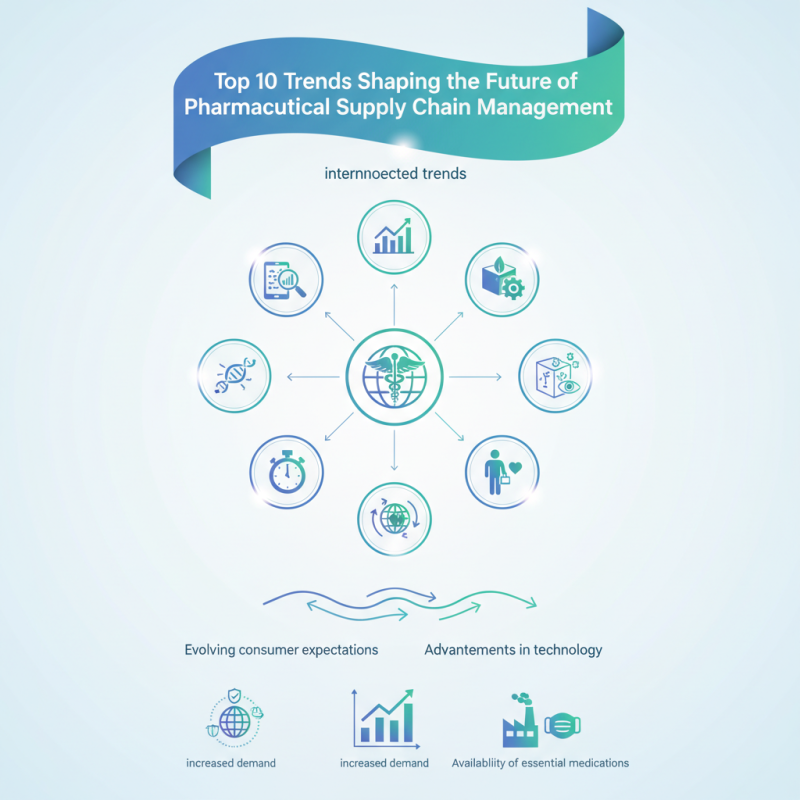
The landscape of Pharmaceutical Supply is undergoing a significant transformation, driven by advancements in technology, evolving consumer expectations, and the pressing need for enhanced efficiency and transparency. In an era where the demand for pharmaceutical products continues to rise, supply chain management is critical not only for ensuring the availability of essential medications but also for maintaining safety and compliance throughout the entire process. As the industry faces challenges such as globalization, regulatory changes, and the impact of unforeseen disruptions like pandemics, it becomes increasingly important to identify and adapt to emerging trends that shape the future of this vital sector.
This article explores the top ten trends that are influencing Pharmaceutical Supply chain management today. From the adoption of digital technologies and data analytics to the integration of sustainability practices, each trend plays a pivotal role in redefining how pharmaceutical companies operate. Understanding these trends will not only provide insights into enhancing operational efficiency but also bolster the resilience of supply chains in the face of future challenges. As stakeholders in the pharmaceutical industry navigate this evolving landscape, staying informed about these trends will be essential in shaping a more agile, responsive, and consumer-focused supply chain.
The Rise of Digital Technologies in Pharmaceutical Supply Chains
The pharmaceutical supply chain is undergoing a significant transformation, driven by the rise of digital technologies. As the industry increasingly adopts advanced technologies like artificial intelligence (AI), blockchain, and the Internet of Things (IoT), new efficiencies are being unlocked throughout the supply chain. According to a recent report by the Global Supply Chain Institute, companies implementing AI in their operations can expect a 30% reduction in costs and a 20% increase in productivity. This shift is critical as pharmaceutical companies strive to enhance transparency and traceability in their supply chains, ultimately leading to improved patient safety.
Blockchain technology is another key player in this digital transformation, enabling secure and transparent transactions across the supply chain. A 2022 study by the Pharmaceutical Supply Chain Security Coalition highlighted that the integration of blockchain could reduce counterfeit drugs in the market by up to 50%, significantly safeguarding patient health. Moreover, leveraging IoT devices allows for real-time monitoring of inventory, reducing waste and ensuring optimal stock levels. The combination of these technologies is reshaping how pharmaceutical companies manage their logistics and compliance, equipping them to respond swiftly to market demands and improve overall operational resilience.
Top 10 Trends Shaping the Future of Pharmaceutical Supply Chain Management
Impact of Blockchain on Transparency and Traceability in Pharmaceuticals
Blockchain technology is revolutionizing pharmaceutical supply chain management by enhancing transparency and traceability, two critical factors in ensuring drug integrity and safety. With its decentralized and cryptographic nature, blockchain allows for real-time tracking of pharmaceuticals from manufacturing to distribution to the end consumer. Each transaction is recorded in an immutable ledger, making it nearly impossible for counterfeit products to infiltrate the supply chain. This level of transparency not only helps in monitoring compliance with regulations but also builds trust among stakeholders, including manufacturers, distributors, pharmacists, and patients.
Moreover, the implementation of blockchain can significantly improve the efficiency of recalls and audits. In the event of a safety concern, companies can swiftly trace the origin of a product, identifying affected batches with unprecedented speed. This capability not only minimizes the risk to patients but also reduces financial losses for companies by ensuring that only compromised products are withdrawn. As the pharmaceutical industry continues to grapple with challenges like counterfeit drugs and complex supply chains, blockchain presents a viable solution for fostering a more secure and accountable environment in pharmaceutical distribution.
Top 10 Trends Shaping the Future of Pharmaceutical Supply Chain Management - Impact of Blockchain on Transparency and Traceability in Pharmaceuticals
| Trend |
Description |
Impact on Supply Chain |
Blockchain Involvement |
| Increased Transparency |
Enhanced visibility of product journeys. |
Improved trust among stakeholders. |
Blockchain enables real-time tracking of products. |
| Enhanced Traceability |
Accurate tracking of pharmaceuticals from manufacturers to consumers. |
Reduces counterfeiting risks and increases safety. |
Blockchain creates an immutable record of transactions. |
| Regulatory Compliance |
Ability to quickly comply with regulations. |
Streamlines audit processes and reduces penalties. |
Auditable blockchain records simplify compliance checks. |
| Data Security |
Protecting sensitive data related to pharmaceuticals. |
Minimizes data breaches and unauthorized access. |
Blockchain's cryptography secures data against alterations. |
| Cost Efficiency |
Reducing costs through streamlined operations. |
Decreases overhead and improves margins. |
Smart contracts on blockchain automate processes. |
| Supply Chain Resilience |
Building robust systems to withstand disruptions. |
Ensures uninterrupted delivery of medicines. |
Blockchain enhances communication across the supply chain. |
| Collaborative Platforms |
New alliances forming for better efficiency. |
Involves all stakeholders in decision-making. |
Blockchain facilitates trust among participants. |
| AI Integration |
Utilizing AI for predictive analytics. |
Improves demand forecasting and inventory management. |
AI and blockchain work together for data verification. |
| Consumer Engagement |
Personalized communication with end-users. |
Enhances user experience and brand loyalty. |
Blockchain empowers consumers with product histories. |
The Role of AI and Machine Learning in Demand Forecasting
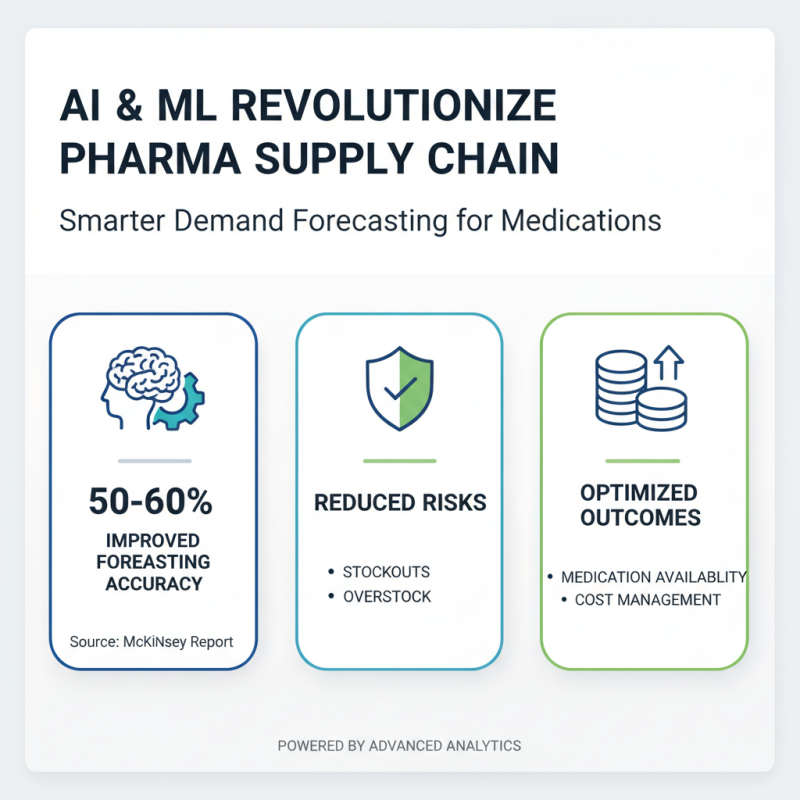
The pharmaceutical supply chain is undergoing significant transformation, particularly with the integration of AI and machine learning technologies in demand forecasting. According to a recent report by McKinsey, companies that harness advanced analytics can improve their forecasting accuracy by 50 to 60%, significantly reducing the risk of stockouts and overstock situations. This improved precision not only ensures that essential medications are available when needed but also optimizes inventory levels, leading to better cost management.
AI and machine learning algorithms excel at processing vast amounts of data from various sources, including historical sales data, seasonal trends, and real-time market indicators. A study by Deloitte indicates that 70% of pharmaceutical executives believe that AI will have a transformative impact on their supply chain within the next five years. By leveraging these technologies, pharmaceutical companies can enhance their ability to predict demand fluctuations with remarkable agility. This proactive approach allows for a more responsive supply chain, ultimately improving patient outcomes and enhancing operational efficiencies across the industry.
Sustainability Initiatives within Pharmaceutical Supply Chain Practices
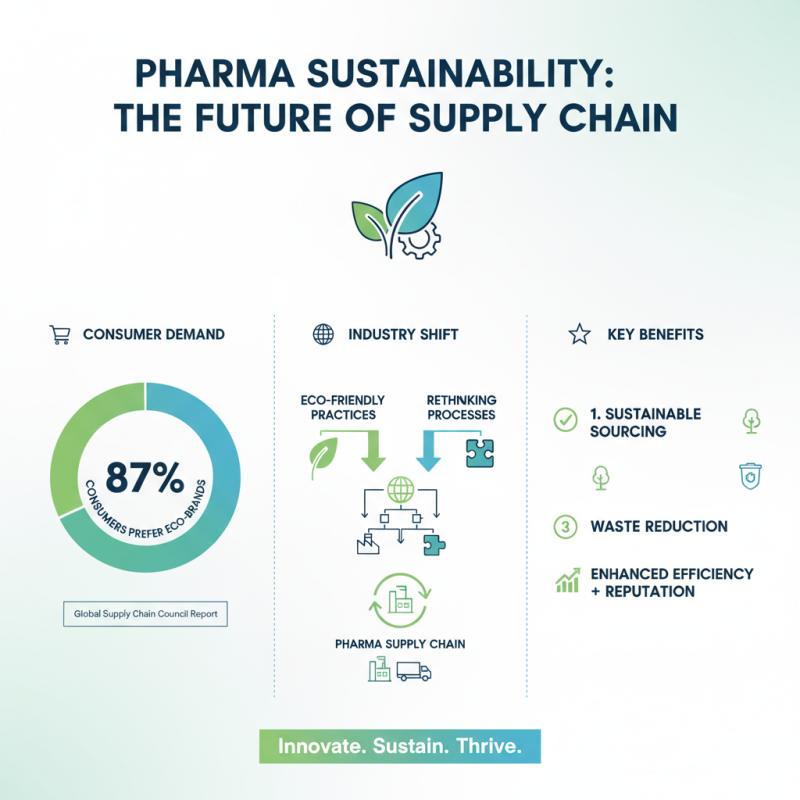
As the pharmaceutical industry evolves, sustainability has emerged as a central pillar in supply chain management. The necessity for eco-friendly practices is underscored by a growing body of research; a recent report from the Global Supply Chain Council indicates that a staggering 87% of consumers prefer brands that prioritize sustainability. This statistic highlights the increasing demand for eco-conscious initiatives, prompting pharmaceutical companies to rethink their supply chain processes. By integrating sustainable sourcing and reducing waste, firms not only meet consumer expectations but also enhance their operational efficiency.
Additionally, innovation in packaging and transportation plays a crucial role in sustainability efforts. Advanced technologies such as smart containers and data analytics enable companies to optimize their routes and minimize carbon footprints. A study published by the Healthcare Distribution Alliance reveals that implementing these technologies can lead to a reduction of up to 30% in emissions from supply chain operations. As pharmaceutical stakeholders recognize these benefits, the trend towards adopting greener practices is likely to accelerate.
Tips for enhancing sustainability within the pharmaceutical supply chain include conducting regular sustainability audits to identify areas for improvement and collaborating with suppliers committed to reducing their environmental impact. Also, investing in training programs for employees can lead to better awareness and implementation of sustainable practices across all operations. By embracing these strategies, pharmaceutical companies can not only contribute positively to the environment but also drive long-term profitability.
Regulatory Changes and Their Influence on Supply Chain Strategies
Regulatory changes are playing a crucial role in shaping pharmaceutical supply chain strategies, influencing how companies navigate compliance and operational efficiencies. As governments and regulatory bodies tighten their oversight on drug safety, quality, and traceability, pharmaceutical companies must adapt their supply chain practices accordingly. This often requires investing in advanced technologies such as blockchain and data analytics to enhance transparency and ensure product integrity throughout the supply chain. Increased regulations drive the need for real-time tracking of products, which helps mitigate risks associated with counterfeiting and recalls.
Furthermore, as regulatory requirements evolve, companies are forced to reconsider their sourcing and distribution strategies. The emphasis on compliance leads organizations to develop more robust risk management frameworks that account for potential disruptions caused by regulatory shifts. Collaborations with suppliers and logistics partners become essential, ensuring that all stakeholders are aligned with regulatory expectations. The ability to swiftly adapt to regulatory changes not only safeguards companies against compliance issues but also enhances their reputation in a market where consumer trust is paramount. As the pharmaceutical landscape continues to evolve, agility in supply chain management will be key to thriving amid regulatory pressures.