
Top Skin Whitening Raw Materials for Effective Results and Tips to Use Them
page_banner

Top Skin Whitening Raw Materials for Effective Results and Tips to Use Them

Skin whitening has become a prominent focus in the beauty industry, with many individuals seeking effective solutions to achieve a brighter and more even complexion. The discussion surrounding skin whitening raw materials is not only vital for understanding the science behind these products but also for making informed choices about their use. This article aims to explore the top skin whitening raw materials that promise effective results, shedding light on their mechanisms, benefits, and potential side effects.

Furthermore, the application of these materials can significantly influence the outcomes, making it essential to follow best practices and tips for safe usage. From natural extracts to advanced formulations, the ingredients utilized in skin whitening can vary widely, each with unique properties and effectiveness. By delving into this topic, we hope to provide readers with a comprehensive guide that enhances their knowledge of skin whitening raw materials, enabling them to achieve their desired skin goals while prioritizing safety and efficacy.
Top Skin Whitening Raw Materials for Effective Results and Tips to Use Them

Top Skin Whitening Raw Materials: An Overview

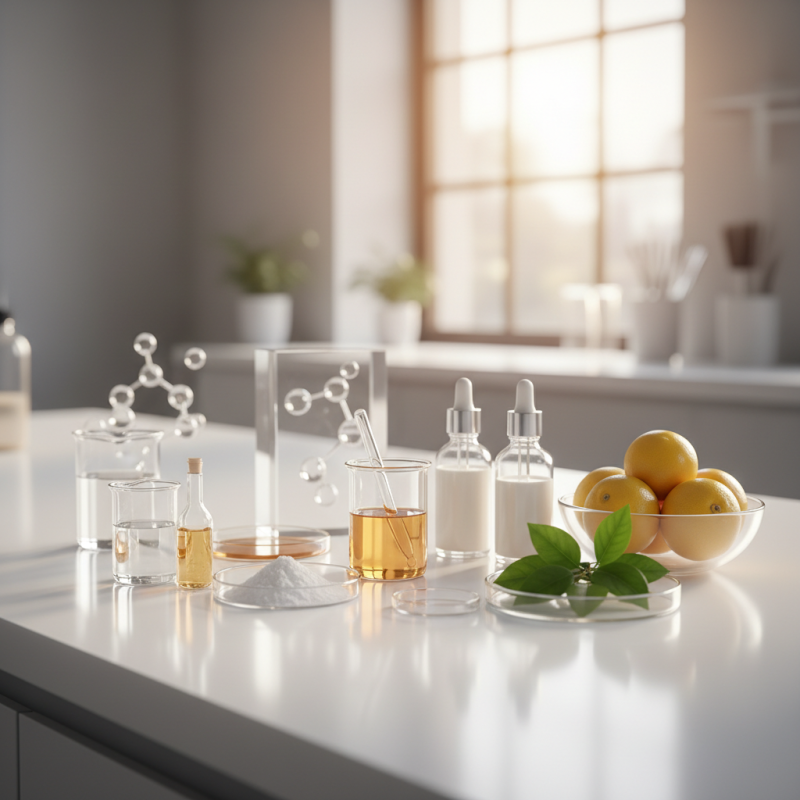
Skin whitening has become a prevalent concern for many, prompting a demand for effective raw materials that can achieve the desired results. Natural ingredients such as kojic acid, derived from fungi, are known for their powerful skin-brightening properties. Kojic acid works by inhibiting melanin production, leading to a more even skin tone. Another popular ingredient is vitamin C, which not only brightens the skin but also provides antioxidant benefits, protecting against environmental damage. This dual-action makes it a favorite in many skincare formulations aimed at creating a luminous complexion.

In addition to these, licorice root extract is praised for its gentle whitening effects and ability to soothe the skin. With its active component, glabridin, it inhibits the enzyme responsible for melanin production while also reducing inflammation. Additionally, niacinamide, a form of vitamin B3, enhances skin barrier function and brightens the skin by reducing the appearance of dark spots. To maximize the efficacy of these ingredients, it is recommended to combine them in a consistent skincare routine, integrating sun protection measures to prevent further pigmentation and ensure a radiant, fair complexion over time.
Active Ingredients for Skin Brightening: Key Components

Top Skin Whitening Raw Materials for Effective Results and Tips to Use Them

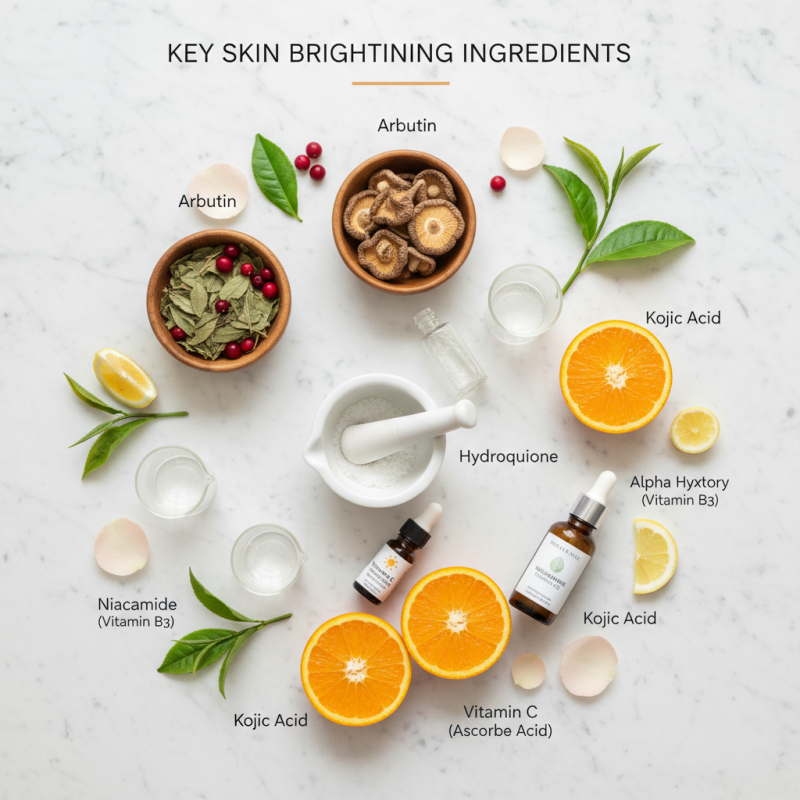
Skin brightening is a focus for many seeking a more radiant complexion, and understanding the active ingredients can significantly enhance their efficacy. According to the Global Skin Care Products Market report, the skin whitening market is projected to reach approximately $8 billion by 2025, reflecting the growing consumer demand for effective brightening solutions. Key ingredients such as hydroquinone, kojic acid, and arbutin play crucial roles in inhibiting melanin production, leading to visibly lighter skin tones. Hydroquinone, for instance, has been shown to reduce pigmentation by up to 50% when used consistently over a period of time.

In addition to these potent agents, natural alternatives like niacinamide and vitamin C have gained traction due to their multifaceted benefits. Research published in the Journal of Cosmetic Dermatology indicates that niacinamide can improve skin tone unevenness by 20% after 12 weeks of use. Vitamin C, a powerful antioxidant, not only brightens the skin but also offers protection against UV damage and promotes collagen synthesis, reinforcing skin health over time. Utilizing these active ingredients effectively can yield significant improvements in skin brightness and overall complexion, appealing to an increasingly informed consumer base.

Benefits of Natural Skin Whitening Agents

Natural skin whitening agents have gained popularity as safe alternatives to synthetic products. These agents not only help in achieving a brighter complexion but also offer additional skin benefits. For instance, ingredients like licorice extract and mulberry can inhibit melanin production, effectively reducing dark spots and pigmentation while providing anti-inflammatory properties that soothe the skin.

Another powerful natural whitening agent is vitamin C, known for its antioxidant properties. It helps in brightening the skin and promoting an even skin tone. Additionally, ingredients such as kojic acid, derived from fungi, possess skin-lightening properties and can improve skin texture. Incorporating these ingredients into your skincare routine can enhance overall skin health while achieving a radiant appearance.

Using these natural agents effectively requires consistency and the right application techniques. It's essential to pair these ingredients with a suitable moisturizer and sunscreen to protect the skin and enhance the benefits. Regular use, combined with a healthy lifestyle and proper hydration, can lead to significant improvements in skin tone and vitality.

Top Skin Whitening Raw Materials for Effective Results and Tips to Use Them

Material Source Benefits Usage Tips
Vitamin C Citrus fruits, berries Brightening, antioxidant Apply serums with 10-20% concentration.
Niacinamide B vitamins Reduces discoloration, improves texture Use in creams or serums, 2-5% concentration.
Kojic Acid Mushrooms Inhibits melanin production Apply in 1-4% creams, preferably at night.
Licorice Extract Licorice root Fades dark spots, soothing Incorporate into lotions and gels.
Arbutin Bearberry plant Brightens skin, reduces dark spots Use in serums or creams, 1-3% concentration.

Effective Application Techniques for Skin Whitening Products

Effective application techniques are essential for maximizing the benefits of skin whitening products. First, it is crucial to cleanse the skin thoroughly before applying any whitening agents. This ensures that the active ingredients can penetrate deeply and work more effectively. After cleansing, applying a toner can help restore the skin's pH balance and prepare it for further treatment.

Once the skin is prepped, products that contain advanced ingredients like Thiamidol can be applied directly to targeted areas. It’s important to follow the application's instructions meticulously, as many whitening products require consistent use to achieve the desired results. Additionally, incorporating products into a morning and evening routine can enhance their effectiveness; for example, using vitamin C in the morning and retinol at night can yield significant improvements in skin tone and texture. Adopting these techniques fosters a comprehensive approach to skin whitening, allowing consumers to navigate the increasingly competitive beauty market with confidence.

Safety Considerations and Potential Side Effects of Whitening Agents

Top Skin Whitening Raw Materials for Effective Results and Tips to Use Them

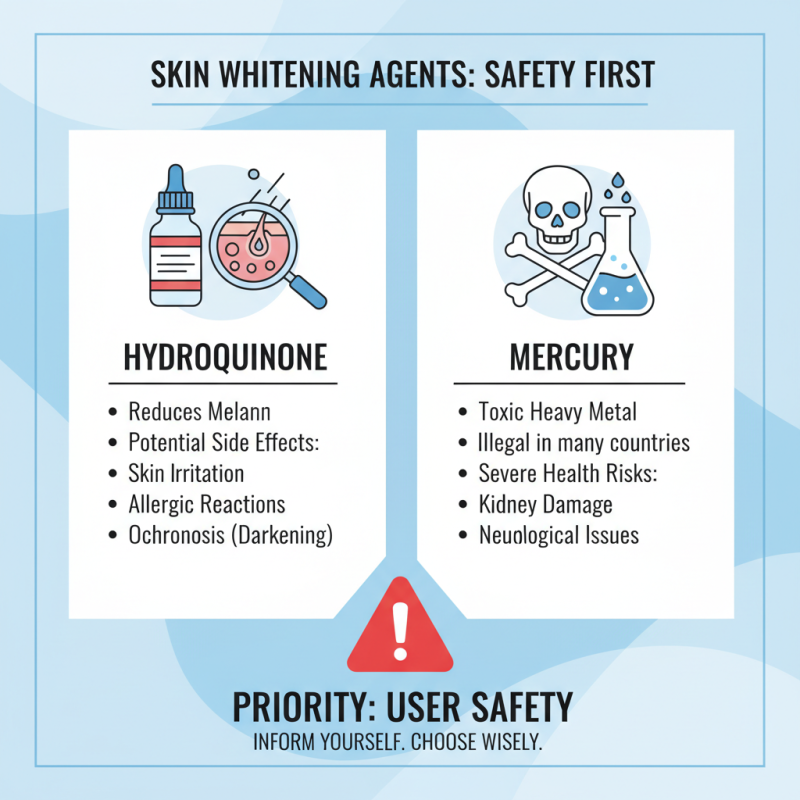
When considering skin whitening agents, safety should be a primary concern for users. Many popular ingredients, such as hydroquinone and mercury, have raised alarms due to their potential adverse effects. Hydroquinone, although effective in reducing melanin production, can lead to skin irritation, allergic reactions, and even ochronosis—a condition that causes the skin to darken with prolonged use. Mercury, a toxic heavy metal, is illegal in many countries but still found in some cosmetic products, posing serious long-term health risks, including kidney damage and neurological issues.

In addition to these well-known agents, natural alternatives like kojic acid and licorice extract are gaining traction due to their milder effects. However, even these ingredients are not without risks. Kojic acid can cause skin sensitivity and sunburn, while licorice extract may lead to skin irritation in susceptible individuals. It is crucial for consumers to perform patch tests and consult with dermatologists before incorporating any skin whitening product into their routine, ensuring that they prioritize both effectiveness and safety.