Top Skin Whitening Raw Materials for 2026 What Should You Know
In recent years, the demand for skin whitening raw materials has surged. Consumers seek products that promise brighter, more even skin tones. The desire for fair skin often links to cultural perceptions and beauty standards. This has led to a flourishing market filled with various ingredients. Some of these ingredients are effective, while others are not.
Skin whitening raw material options vary widely. Common ingredients include kojic acid, arbutin, and vitamin C. Each offers unique benefits, but effectiveness can differ among individuals. Reliability and safety must be evaluated critically. Consumers should remain cautious, as not all products deliver the desired results.
As 2026 approaches, trends suggest growth in this sector. New formulations are emerging, promising enhanced safety and efficacy. However, the emphasis on fairness raises ethical questions. Are we promoting healthy beauty standards? Reflecting on these issues is crucial as we navigate this evolving landscape.

Top Skin Whitening Raw Materials for 2026: An Overview
When discussing skin whitening, understanding the raw materials is essential. The industry often highlights various ingredients. Some have been used for decades, while others are emerging.
Arbutin is a popular choice. It comes from bearberry and inhibits melanin production. Its effectiveness is notable, yet results can vary. Not everyone sees the same benefit. Licorice extract is another staple. It contains glabridin, which lightens dark spots effectively. Some users experience skin irritation, prompting caution in its use.
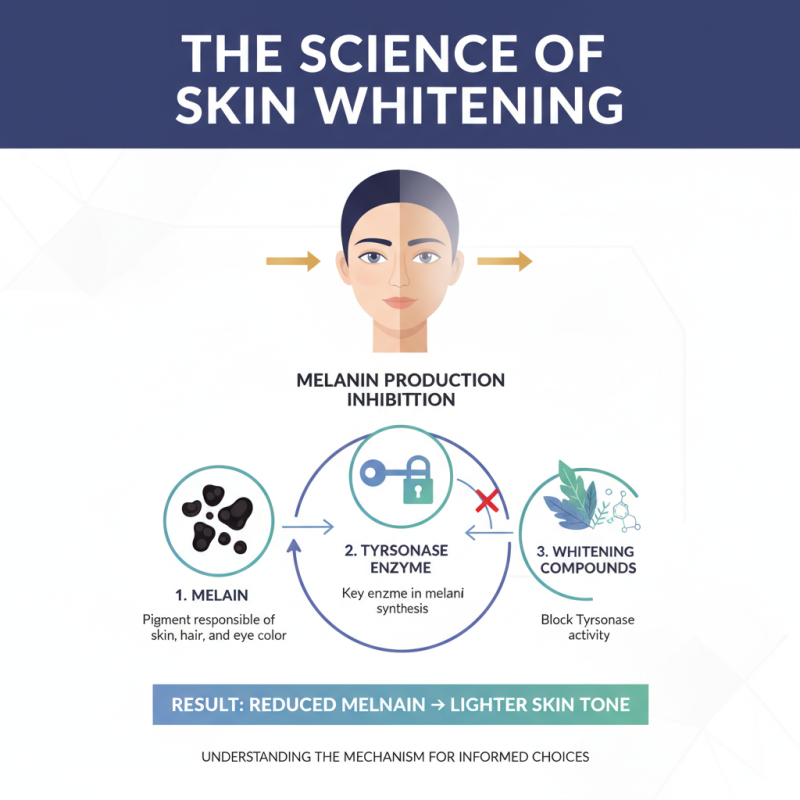
Kojic acid, derived from fungi, is gaining attention. It inhibits tyrosinase activity, crucial for melanin synthesis. However, its safety is sometimes questioned. Individuals should patch test to avoid adverse reactions. The demand for natural remedies is increasing. Ingredients like mulberry extract appeal to those seeking gentler options. Not all products deliver the promised results. It’s vital to research and approach these materials with care.
Key Ingredients to Look for in Skin Whitening Products
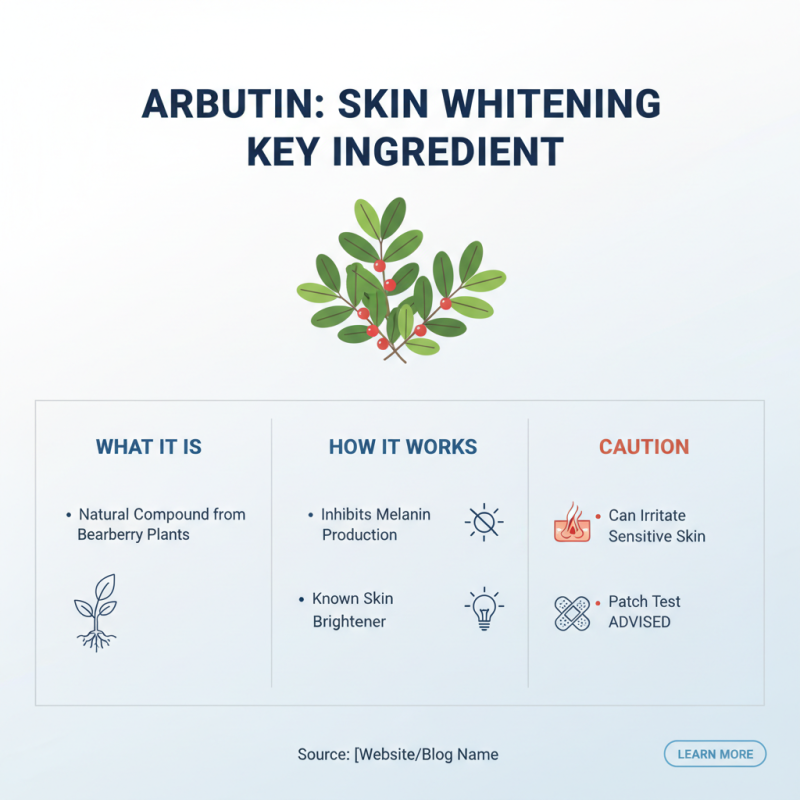
When looking for effective skin whitening products, understanding key ingredients is essential. Many formulations feature arbutin, a natural compound derived from bearberry plants. This ingredient inhibits melanin production. It's a known skin brightener but can irritate sensitive skin. Therefore, patch testing is advisable before full application.
Another important compound to consider is vitamin C. Renowned for its antioxidant properties, it helps brighten and even skin tone. Vitamin C also fights free radicals, delaying signs of aging. However, products with low stability may be less effective. Look for stable formulations or consider fresh vitamin C powders.
Kojic acid is often included in skin whitening products. It works similarly to arbutin but can cause photosensitivity. Caution should be taken when using products with kojic acid, especially in sunny climates. Lastly, niacinamide is another option. This form of vitamin B3 can improve skin texture and tone over time. While it doesn’t provide immediate results, its long-term benefits are worth noting.
Regulatory Considerations for Skin Whitening Raw Materials
When considering skin whitening raw materials, regulatory frameworks play a crucial role. The global market for skin whitening products is projected to reach $8.9 billion by 2026, according to industry reports. However, companies must navigate complex regulations in various regions. For instance, the EU has strict guidelines on banned ingredients. Non-compliance can lead to severe penalties.
One must note that not all ingredients are safe or effective. Some popular raw materials, like hydroquinone, are restricted in many countries due to safety concerns. A 2022 report indicated that 27% of consumers prefer products labeled as "natural." This shift signals the need for brands to prioritize safer alternatives that are compliant with regulations.
Tips: Check local regulations regularly. Laws change often, and staying informed protects your brand. Always conduct thorough ingredient assessments. This practice minimizes risks associated with non-compliance. Engaging with consumers transparently about ingredient safety can also build trust. Balancing efficacy and safety is not easy but is essential for market success.
Top Skin Whitening Raw Materials for 2026
| Raw Material |
Efficacy |
Regulatory Status |
Common Formulations |
Safety Profile |
| Kojic Acid |
Skin Lightening, Antioxidant |
Approved in many regions, caution in high concentrations |
Serums, Creams |
Generally safe, possible skin irritation |
| Niacinamide |
Brightening, Anti-inflammatory |
Widely regulated, generally safe |
Lotions, Creams, Serums |
Very safe, minimal side effects |
| Arbutin |
Skin Lightening |
Regulated in the EU and USA |
Creams, Gels |
Considered safe, skin sensitivity possible |
| Vitamin C |
Brightening, Antioxidant |
Generally considered safe |
Serums, Creams |
Safe for most skin types |
| Licorice Extract |
Skin Brightening, Anti-inflammatory |
Generally accepted |
Creams, Masks |
Very safe, rare irritation |
Future Trends in Skin Whitening Ingredients and Formulations
The demand for skin whitening products continues to grow, driven by changing beauty standards. In 2026, the focus on natural ingredients will shift significantly. Consumers favor safer options without harsh chemicals. This trend points towards innovative plant-based extracts as the leading ingredients.
Formulations will likely prioritize effectiveness and safety. Ingredients like niacinamide and licorice root are expected to gain more popularity. They provide a gentle approach to skin lightening while minimizing side effects. However, it’s essential to consider that not all ingredients are suitable for every skin type. Individual sensitivities can lead to adverse reactions with certain formulations.
Moreover, sustainability will become increasingly important. People are more aware of environmental impact. Therefore, sourcing raw materials ethically will influence consumer choices. Transparency in ingredient sourcing may set brands apart. As the market evolves, it’s crucial to remain informed. Balancing effectiveness with safety and environmental responsibility could define the future of skin whitening.