How to Safely Handle Pharmaceutical Chemicals: A Comprehensive Guide
The safe handling of Pharmaceutical Chemicals is of paramount importance in the healthcare and scientific research sectors. According to the National Institute for Occupational Safety and Health (NIOSH), over 1.3 million healthcare workers are potentially exposed to hazardous pharmaceuticals annually, underscoring the necessity for stringent safety protocols. With the increasing complexity of drug formulations and the rise of personalized medicine, it is vital for professionals in the pharmaceutical industry to be well-versed in safety measures that mitigate risks associated with handling these potent substances.
Statistics from the Occupational Safety and Health Administration (OSHA) reveal that improper handling of Pharmaceutical Chemicals can lead to severe health consequences, including acute and chronic illnesses. As the global pharmaceutical market continues to expand—projected to surpass $1.5 trillion by 2023—so does the imperative for comprehensive training and safety guidelines tailored to Pharmaceutical Chemicals. This guide aims to equip professionals with essential knowledge and practical strategies, ensuring a safe working environment while safeguarding public health and promoting environmental sustainability.

Understanding Pharmaceutical Chemicals and Their Risks
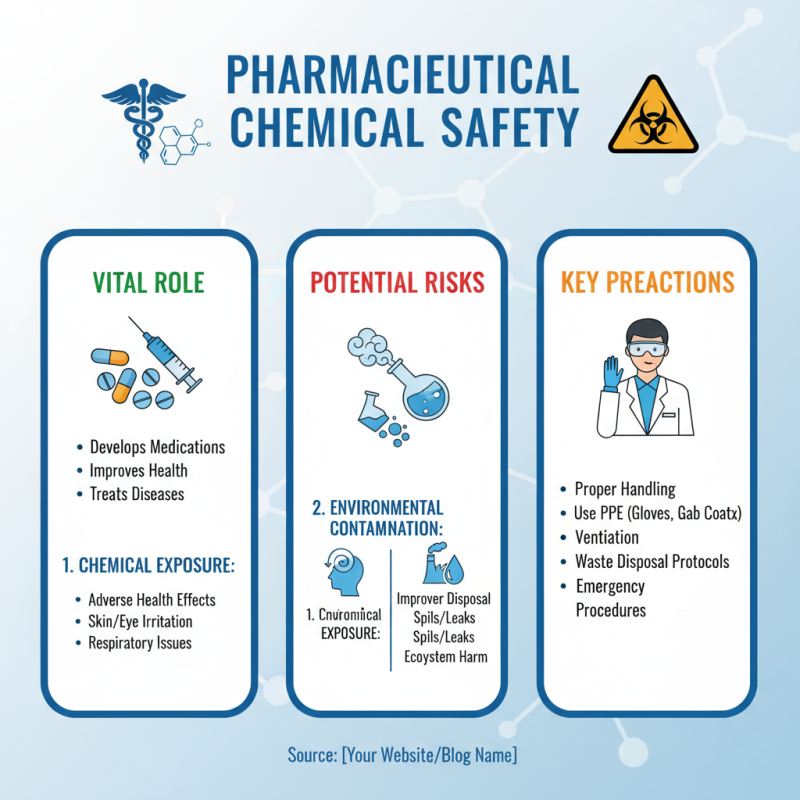
Pharmaceutical chemicals play a vital role in the development of medications that improve health and treat various diseases. However, these compounds can pose significant risks if not handled appropriately. Understanding the nature of pharmaceutical chemicals, including their toxicity and potential hazards, is essential for anyone working in laboratories or healthcare settings. Common risks include chemical exposure, which can result in adverse health effects, and environmental contamination, which can occur during improper disposal or spill incidents.
Awareness of safety protocols is crucial when working with these substances. Proper personal protective equipment (PPE) should always be worn, including gloves, goggles, and lab coats, to reduce the risk of exposure. Additionally, it is important to familiarize oneself with Material Safety Data Sheets (MSDS) for each chemical, as these documents provide specific information on handling, hazards, and first-aid measures. Furthermore, ensuring that workspaces are adequately ventilated and that waste disposal follows regulatory guidelines can significantly mitigate the risks associated with handling pharmaceutical chemicals.
Essential Personal Protective Equipment (PPE) for Handling Chemicals
When handling pharmaceutical chemicals, the importance of personal protective equipment (PPE) cannot be overstated. Proper PPE serves as the first line of defense against exposure to hazardous substances that can pose significant health risks. Essential items include gloves made from materials resistant to chemicals, lab coats or coveralls that can protect skin and clothing, safety goggles to shield the eyes from splashes, and respirators for situations where inhalation might occur.
To choose the right PPE, consider the nature of the chemicals involved and the specific risks they present. For instance, when dealing with corrosive substances, acid-resistant gloves and face shields should be prioritized. It’s also crucial to ensure that all PPE fits properly to maintain a snug barrier against potential exposure.
Tips: Always conduct a risk assessment before starting any work with chemicals. Regularly inspect your PPE for any signs of wear and tear, and replace any compromised items immediately. Additionally, ensure you're trained in properly donning and doffing PPE to minimize the risk of contamination.
Safe Storage and Disposal Practices for Pharmaceutical Chemicals
Proper storage and disposal of pharmaceutical chemicals are critical components of safety in any healthcare or laboratory setting. When storing these chemicals, it is essential to keep them in a controlled environment that minimizes exposure to light, temperature fluctuations, and humidity. Chemical containers should be labeled clearly and stored according to their compatibility—ensuring that reactive substances are kept apart. Implementing security measures, such as locked storage cabinets, can prevent unauthorized access and maintain compliance with safety regulations.
Disposal of pharmaceutical chemicals requires adherence to both federal and local guidelines. It is crucial to avoid pouring chemicals down drains or disposing of them in regular waste, as this can contaminate water sources and harm the environment. Instead, organizations should establish a protocol for segregating expired or unused drugs and partnering with certified disposal companies that specialize in hazardous waste. Utilizing take-back programs and following recommended procedures for safe disposal can significantly reduce the risk of accidental exposure and ensure compliance with environmental regulations. Proper practices not only protect human health but also contribute to the sustainability of our ecosystems.
Emergency Procedures for Chemical Exposure Incidents
In the event of a chemical exposure incident, swift and efficient emergency procedures are crucial to ensure the safety of all individuals involved. The first step is to assess the situation calmly. If the exposure involves direct contact, the affected person should immediately remove any contaminated clothing and rinse the affected area with copious amounts of water for at least 15 minutes. It's essential to encourage the individual to seek medical attention, even if symptoms appear to be minor.
Tips: Always keep emergency contact numbers and a clear plan for chemical spills accessible in your workspace. Regularly review and conduct drills for emergency procedures, ensuring everyone knows their role in an incident.
If inhalation of a pharmaceutical chemical occurs, it's vital to move the person to fresh air immediately. If symptoms such as difficulty breathing persist, contact emergency services without delay. In situations involving ingestion, do not induce vomiting unless instructed by a poison control center or medical professional. Instead, keep the individual calm and comfortable while awaiting further assistance.
Tips: Maintain an updated list of safety data sheets (SDS) for all chemicals on-site, as these documents provide vital information on hazards and appropriate response measures. Make sure everyone is familiar with these documents and knows how to access them quickly during an emergency.
Training and Compliance: Best Practices for Staff Handling Chemicals
When it comes to handling pharmaceutical chemicals, proper training and compliance are paramount. Staff members must be thoroughly educated on the specific hazards associated with the chemicals they work with. Regular training sessions should cover the latest safety protocols, personal protective equipment (PPE) requirements, and emergency procedures. This ensures that all employees are not only aware of the risks but also equipped with the knowledge to handle hazardous substances safely.
**Tips:** Conduct annual refresher courses to keep staff updated on safety practices and introduce new guidelines as necessary. Providing hands-on training can enhance understanding and retention of safety protocols.
Additionally, fostering a culture of compliance within the workplace is essential. This means clearly communicating the importance of adhering to safety regulations and protocols. Encourage employees to report any unsafe conditions or violations they may observe, and ensure there are constructive responses to these reports. This proactive approach promotes accountability and reinforces the safe handling of pharmaceutical chemicals.
**Tips:** Implement a reward system for compliance and safety practices, which can motivate staff to prioritize safety in their daily tasks. Regularly review and update safety manuals to reflect current best practices and regulatory requirements.
Staff Compliance in Handling Pharmaceutical Chemicals
This chart illustrates the compliance rates of staff in various critical aspects of safely handling pharmaceutical chemicals. Ensuring high compliance is essential for workplace safety and regulatory adherence.