What is the Importance of High Quality Raw Materials in Manufacturing?
High Quality Raw Materials play a crucial role in the manufacturing industry. They serve as the backbone of production processes, impacting product durability and performance. Without these materials, even the best production techniques can falter.
Consider the differences in industries. In electronics, using subpar raw materials can lead to device failures. In construction, structural integrity relies heavily on the quality of cement and steel. High Quality Raw Materials enhance not only the final product but also the efficiency of the manufacturing process itself. Yet, there are challenges. Sourcing these materials can be costly and time-consuming.
Some manufacturers may cut corners to reduce expenses. This can result in inferior products, leading to customer dissatisfaction. It's a cycle that needs addressing. Understanding the importance of High Quality Raw Materials is vital for anyone in the manufacturing sector. Investing in quality ensures long-term success and reputation.

Definition of High Quality Raw Materials in Manufacturing
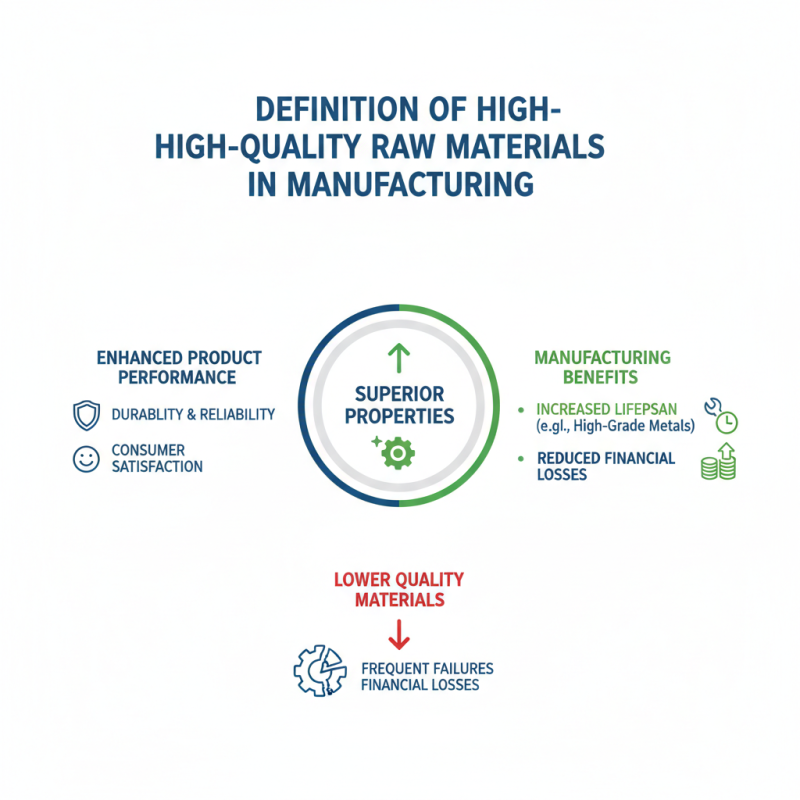
High-quality raw materials are essential for successful manufacturing. These materials possess superior properties that enhance product performance. They ensure durability and reliability, which are critical for consumer satisfaction. For example, using high-grade metals increases the lifespan of machinery and products. In contrast, lower quality options may lead to frequent failures. This could result in financial loss for manufacturers.
However, determining what qualifies as high quality can be complex. Different industries have varying standards. What works in one sector may not be suitable for another. Moreover, suppliers often market materials as high quality, but actual performance may differ. Manufacturers must conduct thorough testing to verify claims. This process can be time-consuming and sometimes costly.
Moreover, focusing solely on high quality can lead to over-engineering. In a bid to attain perfection, manufacturers might overlook practical aspects, like cost-effectiveness and production timelines. Balancing quality with other factors is crucial. The ideal raw material should meet both quality standards and budget constraints. Striking this balance is an ongoing challenge in the dynamic landscape of manufacturing.
Impact of Raw Material Quality on Product Durability and Performance
The quality of raw materials plays a critical role in determining product durability and performance. Studies show that nearly 70% of manufacturing defects correlate directly with the quality of input materials. For example, a report from the American Society for Quality found that companies that invest in high-quality raw materials reduce operational costs by about 30% due to fewer defects and returns.
Low-quality materials often lead to unsatisfactory performance outcomes. A survey indicated that products made with inferior components fail twice as often within the first year. This not only affects customer satisfaction but also harms brand reputation. Moreover, degradation in performance can lead to safety hazards, especially in industries like construction or automotive.
Investing in quality raw materials is essential. However, many manufacturers still prioritize cost over quality. This raises questions about long-term viability. Focusing solely on price can save money initially but may incur higher costs later due to increased warranty claims or product recalls. Striking a balance between cost and quality is crucial for sustainable growth.
What is the Importance of High Quality Raw Materials in Manufacturing? - Impact of Raw Material Quality on Product Durability and Performance
| Raw Material Type |
Quality Rating |
Durability (Years) |
Performance Rating |
Key Benefits |
| Aluminum |
A+ |
10 |
Excellent |
Lightweight, corrosion-resistant, durable |
| Steel |
A |
15 |
Good |
High strength, suitable for heavy loads |
| Plastic |
B+ |
5 |
Variable |
Versatile, lightweight, cost-effective |
| Glass |
A |
8 |
Very Good |
Aesthetic appeal, chemical resistance |
| Rubber |
B |
7 |
Good |
Flexibility, shock absorption, waterproof |
Economic Implications of Using High Quality Raw Materials
High-quality raw materials are crucial for manufacturing efficiency and economic viability. According to industry reports, investments in superior materials can lead to a 20% reduction in production costs. This stems from lower waste rates and fewer defects. By using high-quality inputs, manufacturers can also enhance product durability and reliability.
However, the initial cost of these materials may deter some businesses. High-quality options often come with a steep price tag. Companies need to weigh these upfront costs against long-term benefits. Inconsistent raw materials can lead to increased rework and missed deadlines. Data shows that 60% of manufacturers encounter issues tied to poor material choices.
Tip: Always conduct a cost-benefit analysis before selecting raw materials. Evaluate the potential impact on labor and production time.
Quality materials can improve customer satisfaction. Satisfied customers tend to be repeat buyers. This translates to a stronger market position. While the road sounds straightforward, investing in high-quality inputs isn't without challenges. Companies must remain alert to fluctuating prices and supply chain issues. Keeping a flexible strategy is essential.
Tip: Build relationships with reliable suppliers. Establishing trust can help mitigate supply disruptions.
The Role of Quality Assurance in Raw Material Selection
In the manufacturing sector, selecting high-quality raw materials is crucial. Quality assurance measures play a vital role in this selection. These measures help ensure that raw materials meet specific standards. When materials are properly vetted, the final product gains reliability and consistency.
Tips: Always inspect raw materials on arrival. A simple visual check can save time later. Test samples before committing to large orders. This step helps identify potential defects early on.
Quality assurance also involves ongoing monitoring. Regular assessments prevent issues down the line. Documentation of quality checks creates accountability. It may lead to discovering gaps in the supply chain. This reflection is essential for continuous improvement.
Tips: Set up a quality review team. They can offer insights into material performance. Listen to feedback from production staff as they can spot issues firsthand. Engaging with all levels can enhance quality throughout the process.
The Importance of High Quality Raw Materials in Manufacturing
High quality raw materials are essential for the production of durable and reliable products. The following chart illustrates the impact of raw material quality on production efficiency, product durability, and customer satisfaction. The data reflects the average ratings in a manufacturing context.
Case Studies: Success Stories of High Quality Material Usage
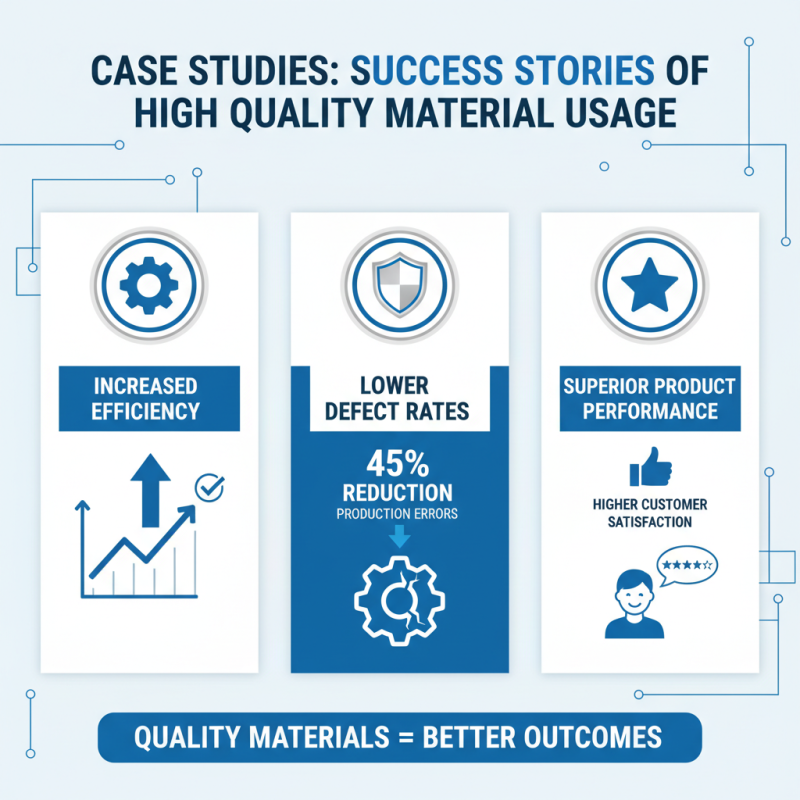
Using high-quality raw materials can significantly impact manufacturing outcomes. Companies that prioritize these materials often see increased efficiency and lower defect rates. For instance, studies indicate that manufacturers using superior metals report a 45% reduction in production errors compared to those with standard materials. This leads to better product performance and higher customer satisfaction.
A case study involving aerospace manufacturing shows how quality matters. One company switched to premium aluminum alloys. They noted a 30% decrease in weight for their aircraft components. This improvement enhanced fuel efficiency and overall performance. However, the transition wasn't without challenges. Initial costs were higher, and some workers needed retraining.
Another example comes from the automotive industry. High-quality rubber in tires resulted in a 20% increase in durability. Yet, switching suppliers took time and effort. There were setbacks in the supply chain. Some parts arrived late, causing delays. The process required constant adaptation and reflection on practices. These stories highlight the mixed outcomes of prioritizing quality.