How to Choose the Best Skin Whitening Raw Material for Your Skincare Products
In the ever-evolving skincare industry, the selection of the right
Skin Whitening Raw Material
has become increasingly crucial for brands aiming to meet consumer demands for efficacy and safety. According to a report by Grand View Research, the
global skin whitening market is expected to reach USD 8.9 billion by 2025,
growing at a CAGR of 6.7%. This demonstrates the robust market potential for innovative formulations that not only deliver whitening effects but also ensure skin health.
Industry expert Dr. Emily Chen, a leading dermatologist and skincare consultant, emphasizes the importance of choosing high-quality ingredients, stating,
"The effectiveness of skin whitening products largely depends on the raw materials used; they can either enhance or hinder results."
This underscores the necessity for formulators to be discerning in their selection process, as the right
Skin Whitening Raw Material
can significantly impact product performance and user satisfaction. As consumer awareness regarding ingredient transparency continues to rise, brands must prioritize
the sourcing of ethical and effective materials to maintain trust and credibility in the market.

Understanding Different Skin Whitening Agents Available in the Market
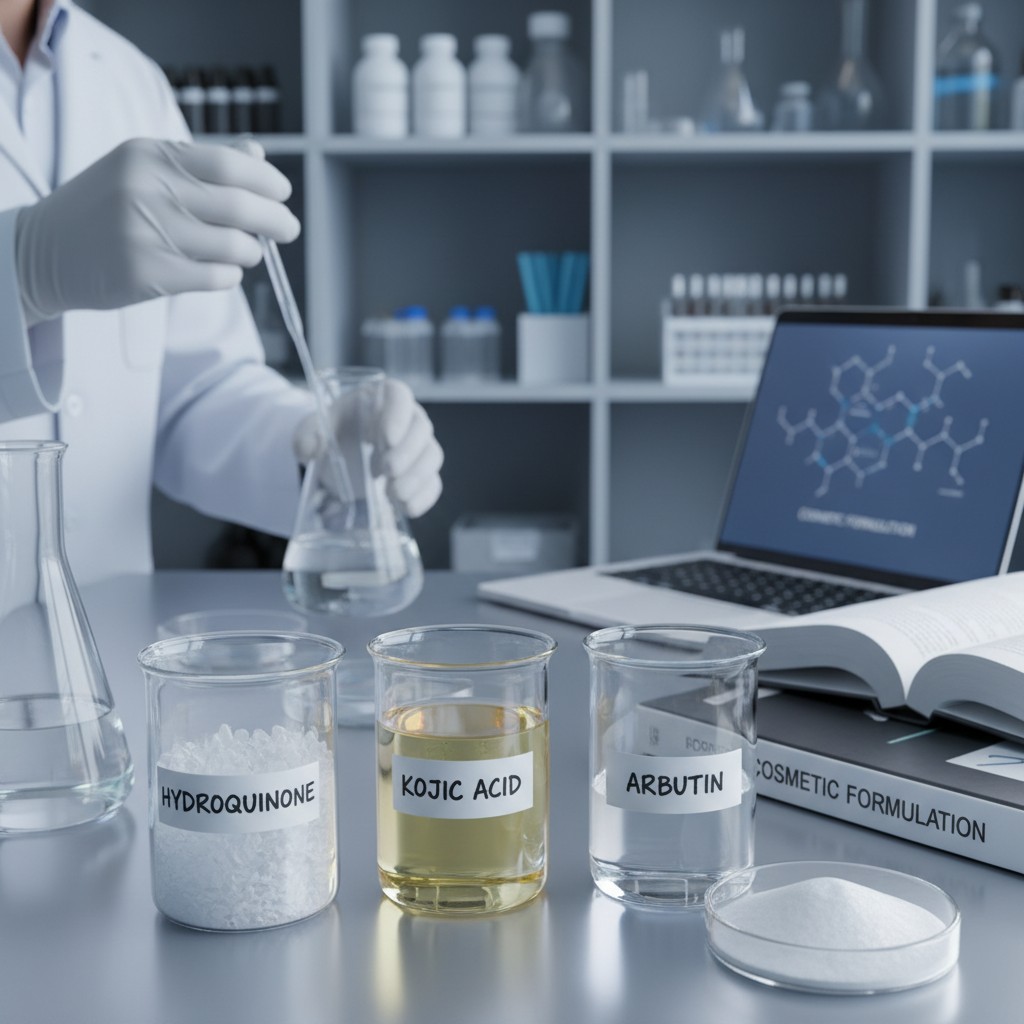
When it comes to formulating effective skincare products, understanding the various skin whitening agents available in the market is crucial. Ingredients such as hydroquinone, kojic acid, and arbutin are popular choices among formulators. Hydroquinone, often referred to as the gold standard in skin whitening, works by inhibiting melanin production. However, its use is highly regulated in many countries due to potential side effects, making it essential for manufacturers to stay informed about regulations and safe usage guidelines.
Kojic acid, derived from fungi, offers a natural alternative that also targets melanin production, making it suitable for those seeking gentler formulations. Arbutin, a stable form of hydroquinone, is another effective option that gradually releases its skin brightening benefits. Other emerging agents include niacinamide and licorice extract, which not only lighten skin but also provide additional skincare benefits, such as reducing inflammation and improving overall skin tone. By carefully considering the properties and safety profiles of these ingredients, formulators can create effective and safe skin whitening products tailored to diverse consumer needs.
Evaluating the Safety and Efficacy of Skin Whitening Ingredients
When evaluating the safety and efficacy of skin whitening ingredients, it's crucial to understand the potential risks and benefits associated with each raw material. Ingredients like hydroquinone and kojic acid can effectively inhibit melanin production, leading to brighter skin; however, they may also carry side effects such as skin irritation or allergic reactions. Always look for scientific studies that support the claims of these ingredients to ensure their effectiveness and safety for your skincare products.
**Tips for choosing skin whitening ingredients:**
- Research the ingredient's history: Investigate its long-term use in cosmetics and any documented side effects or controversies.
- Consider natural alternatives: Ingredients like licorice extract or vitamin C can provide skin brightening benefits with lower risks of irritation.
- Conduct patch tests: Before introducing new products to your skincare line, perform patch tests to gauge potential allergic reactions or sensitivities.
A thorough understanding of these factors will help you select the best raw materials for skin whitening while prioritizing consumer safety and satisfaction.
How to Choose the Best Skin Whitening Raw Material for Your Skincare Products
| Ingredient |
Source |
Efficacy |
Safety |
Regulatory Status |
| Kojic Acid |
Mushrooms |
Effective in inhibiting melanin production |
Generally safe with mild irritations reported |
Approved in many countries |
| Vitamin C |
Citrus fruits |
Antioxidant properties, brightens skin |
Safe for most skin types |
Widely accepted |
| Arbutin |
Bearberry plant |
Reduces melanin production |
Considered safe for topical use |
Permitted in cosmetic applications |
| Niacinamide |
Vitamin B3 |
Brightens skin and evens tone |
Very safe, low irritation |
Approved for use in cosmetics |
| Licorice Extract |
Licorice root |
Inhibits tyrosinase, reduces pigmentation |
Generally safe, some cases of irritation |
Commonly approved ingredient |
Natural vs Synthetic: Choosing the Right Type of Skin Whitening Raw Material
When it comes to selecting skin whitening raw materials for skincare products, the choice between natural and synthetic options is crucial.
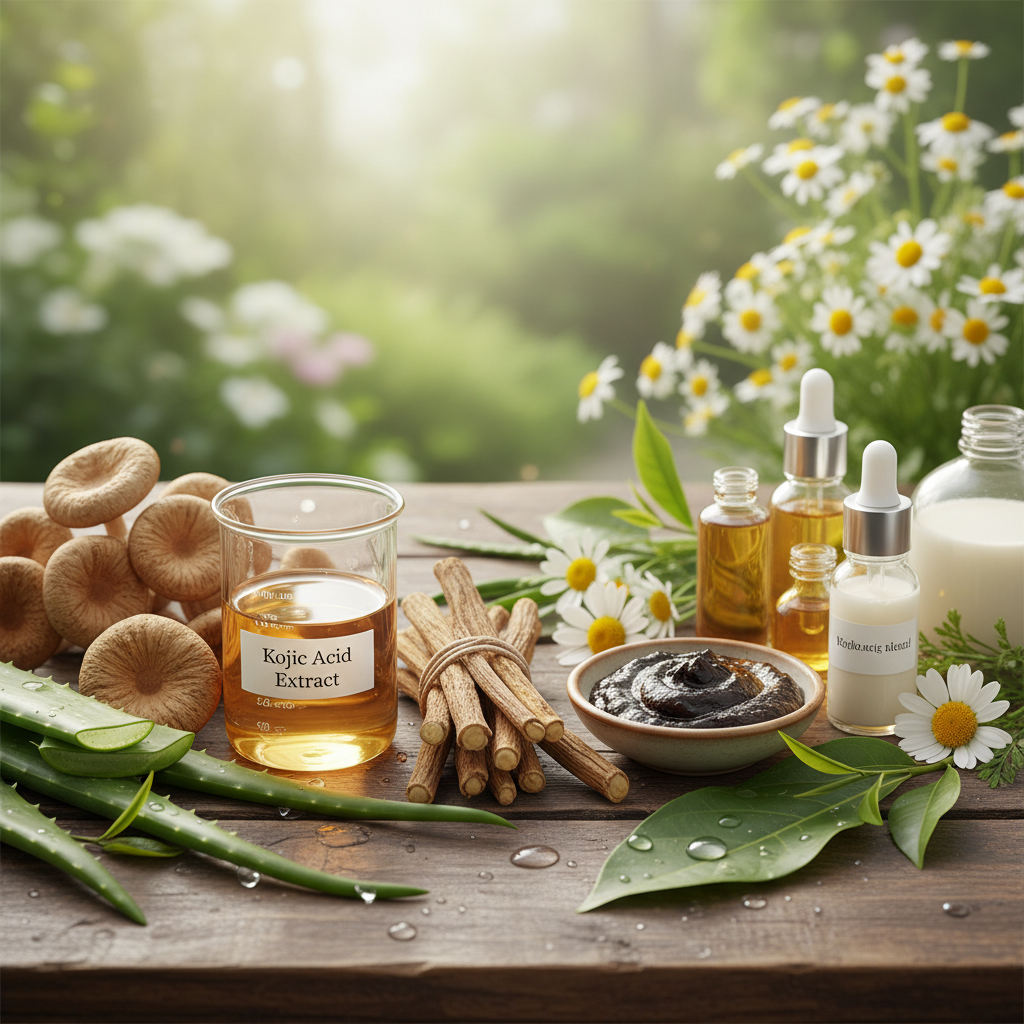
Natural ingredients, such as kojic acid derived from fungi or licorice extract, are often praised for their gentle and holistic properties.
They tend to be less irritating and more suitable for sensitive skin types.
Additionally, natural ingredients can offer a multitude of skin benefits beyond whitening, including hydration and anti-inflammatory effects, making them appealing for consumers seeking comprehensive skincare solutions.
On the other hand, synthetic raw materials, like hydroquinone, are frequently chosen for their potency and quick results in reducing melanin production.
While they may provide visible outcomes in a shorter timeframe, synthetic agents can carry a higher risk of side effects and may lead to skin complications for some users.
Therefore, it's essential for formulators to assess the target demographic's skin tolerance and preferences, weighing the immediate effects of synthetic materials against the longer-term benefits often found in natural alternatives.
Balancing efficacy with safety and consumer appeal should drive the decision-making process in selecting the best skin whitening raw material.
Formulation Compatibility: Ensuring Ingredients Work Well Together
When formulating skincare products focused on skin whitening, it's essential to prioritize formulation compatibility among raw materials. Each ingredient plays a crucial role not only in achieving the desired effects but also in ensuring that they work harmoniously together. For instance, combining high-potency active ingredients like hydroquinone or kojic acid with soothing agents such as niacinamide or aloe vera can enhance the overall efficacy while minimizing potential irritation. Understanding how these components interact chemically and physically will dictate the product's texture, absorption, and stability.
Moreover, the pH levels of the ingredients should be monitored closely, as they can significantly influence the stability and performance of the formulation. Certain whitening agents thrive in acidic environments, while others may require a more neutral pH. Conducting compatibility tests can help prevent undesirable reactions that could render the product ineffective or harmful. Ultimately, selecting the right combination of skin whitening raw materials involves careful consideration of their synergistic properties, ensuring that users benefit from a safe, effective, and pleasant skincare experience.
Skin Whitening Raw Materials Compatibility Analysis
This bar chart illustrates the compatibility scores of various skin whitening raw materials used in skincare formulations. A higher score indicates better compatibility with other ingredients, which is crucial for effective product formulation.
Regulatory Considerations for Skin Whitening Raw Materials in Skincare Products
When selecting skin whitening raw materials for skincare products, regulatory considerations play a crucial role in ensuring consumer safety and compliance with industry standards. In recent years, various health authorities have tightened regulations surrounding the use of skin whitening agents due to potential risks associated with certain ingredients. For instance, the European Commission has banned the use of hydroquinone in cosmetic products, pointing to concerns over skin irritation and long-term health effects. According to a 2022 report by Credence Research, the global skin whitening products market is projected to reach $8.9 billion by 2025, underscoring the importance of adhering to regulatory guidelines to foster consumer trust.
Furthermore, manufacturers must be aware of regional differences in regulations. The U.S. Food and Drug Administration (FDA) and the Personal Care Products Council (PCPC) continuously refine their guidance on skin whitening agents. For example, in Asia, regulations can vary significantly, with countries like South Korea enforcing stricter oversight on the approval of skin whitening formulations. A report from Statista highlights that the Asia Pacific region accounted for over 40% of the global market share for skin whitening products in 2023, emphasizing the need for companies to navigate these regulatory frameworks effectively to avoid potential penalties and enhance product credibility.