What are the Best Materials for Medicine Capsules?
Medicine capsules are increasingly popular in the pharmaceutical industry. The choice of materials is vital for their effectiveness. Dr. Emily Hart, a leading expert in capsule technology, once stated, “The right medicine capsule material can significantly enhance drug delivery.”
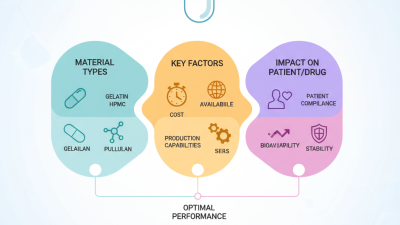
Pharmaceutical manufacturers focus on materials that ensure stability and bioavailability. Gelatin and HPMC (hydroxypropyl methylcellulose) are widely used. Gelatin offers dissolve time benefits, while HPMC provides a vegan alternative that is also effective. However, the versatility of these materials can lead to inconsistencies in performance.
Yet, challenges abound. The selection process is complex and often flawed. Not all materials provide the desired release profile. Additionally, some combinations can lead to unwanted interactions. Industry professionals must continually evaluate their choices. The implications of these decisions impact patient health. Finding the perfect solution remains an ongoing quest in the world of medicine capsule material.

Best Materials for Medicine Capsules: An Overview of Options
When it comes to choosing the best materials for medicine capsules, options abound. The most common materials are gelatin and plant-based alternatives. Gelatin is popular due to its excellent bioavailability. It dissolves quickly and allows for efficient drug absorption. According to a recent industry report, up to 80% of capsules on the market are made from gelatin.
On the other hand, plant-based materials like HPMC (hydroxypropyl methylcellulose) are gaining traction. They cater to vegan and vegetarian consumers. HPMC capsules are stable and provide a good moisture barrier. Reports show a rising demand for plant-based capsules, particularly in the pharmaceutical and nutraceutical sectors.
**Tip:** Consider the target audience when selecting capsule materials. The choice can affect market acceptance.
Other newer options include pullulan, a polysaccharide derived from fungi, noted for its biodegradable properties. However, the cost and sourcing of pullulan can be challenging. As the industry evolves, it's crucial to stay updated on material advancements and consumer preferences.
**Tip:** Always assess the compatibility of the capsule material with the active ingredients. Some materials may not work as well with certain pharmaceuticals.
Best Materials for Medicine Capsules: An Overview of Options
| Material Type |
Description |
Advantages |
Disadvantages |
| Gelatin |
Derived from collagen; commonly used for soft and hard capsules. |
Excellent bioavailability, easy to swallow, good sealing properties. |
Not suitable for vegetarians and vegans; prone to moisture absorption. |
| Hypromellose (HPMC) |
Plant-derived alternative to gelatin; often used for vegetarian capsules. |
Suitable for vegans, better moisture resistance compared to gelatin. |
Higher production costs, may have slower dissolution rates. |
| Pullulan |
Natural polysaccharide derived from fungi; used for vegetarian capsules. |
Excellent oxygen barrier, low moisture uptake, suitable for sensitive ingredients. |
Limited availability; may be more expensive than gelatin. |
| Starch |
Made from various plant sources; considered an alternative encapsulating agent. |
Easily digestible, suitable for a variety of formulations. |
May have inconsistent quality; not as widely accepted in markets. |
Gelatin vs. Vegetarian Alternatives: Understanding Material Choices
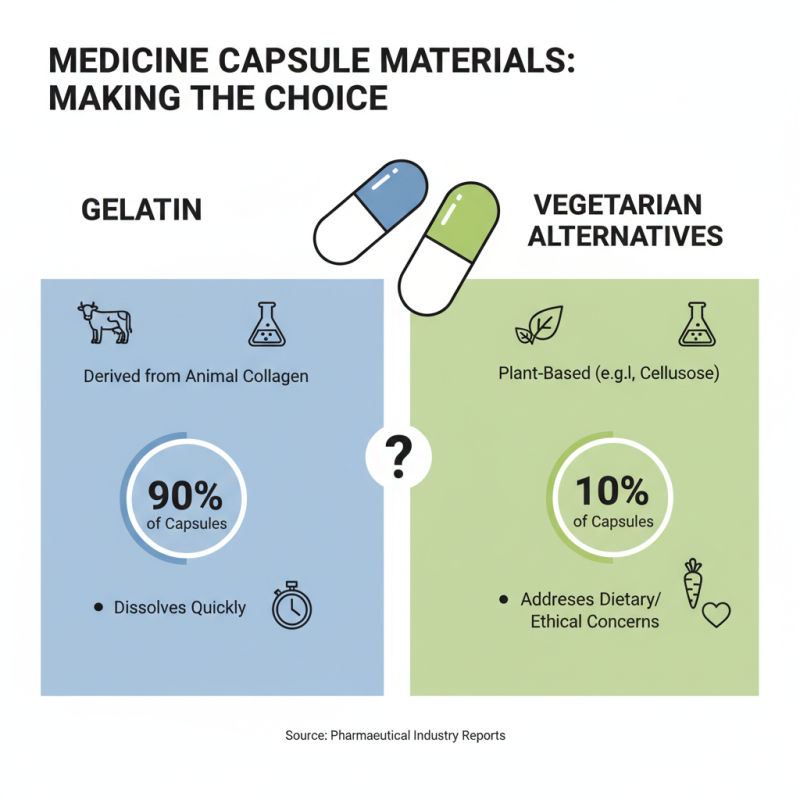
When choosing materials for medicine capsules, gelatin and vegetarian alternatives play crucial roles. Gelatin, derived from animal collagen, is favored for its smooth and easy digestibility. Reports indicate that around 90% of capsules used in the pharmaceutical industry are made from gelatin. This material dissolves quickly in the stomach, allowing for efficient drug release. However, its animal origin raises concerns for vegetarians and vegans.
Vegetarian alternatives, often made from modified starches or pullulan, have gained popularity. Studies show that 45% of consumers prefer vegetarian capsules for ethical and dietary reasons. These alternatives can also be tailored for specific releases. Pullulan, for instance, is praised for its moisture barrier properties. Yet, challenges arise. Vegetarian capsules may not dissolve as quickly as gelatin ones in some cases. This could affect the bioavailability of certain medications.
Different consumers have distinct needs. The choice between gelatin and vegetarian options might depend on individual values or health conditions. Some capsules may be more suitable for specific drugs, while others could lead to suboptimal absorption. As the market evolves, ongoing research and consumer feedback will shape the ideal materials for future medicines.
Microencapsulation Techniques: Enhancing Stability and Delivery
Microencapsulation is a powerful technique in pharmaceuticals. It involves enclosing active ingredients within a protective coating. This method improves stability and ensures targeted delivery. By using various materials, developers can enhance the bioavailability of medications. Natural polysaccharides, synthetic polymers, and lipids are popular choices.
Tips: Always consider the particle size. Smaller particles can improve absorption rates. However, too small might lead to instability.
Different microencapsulation techniques include spray drying, coacervation, and electrospinning. Each method has unique advantages and challenges. For instance, spray drying is efficient but may require careful control of temperature. Coacervation is useful for delicate compounds but can be complex.
Tips: Evaluate the compatibility of materials. Sometimes, interactions can affect the final product. Testing is crucial to ensure effectiveness and safety.
While microencapsulation offers many benefits, there are challenges. Over-encapsulation can diminish the therapeutic effect. Additionally, the choice of materials must align with regulatory standards. Balancing these factors is essential for successful formulation.
Regulatory Standards for Capsule Materials in Pharmaceuticals
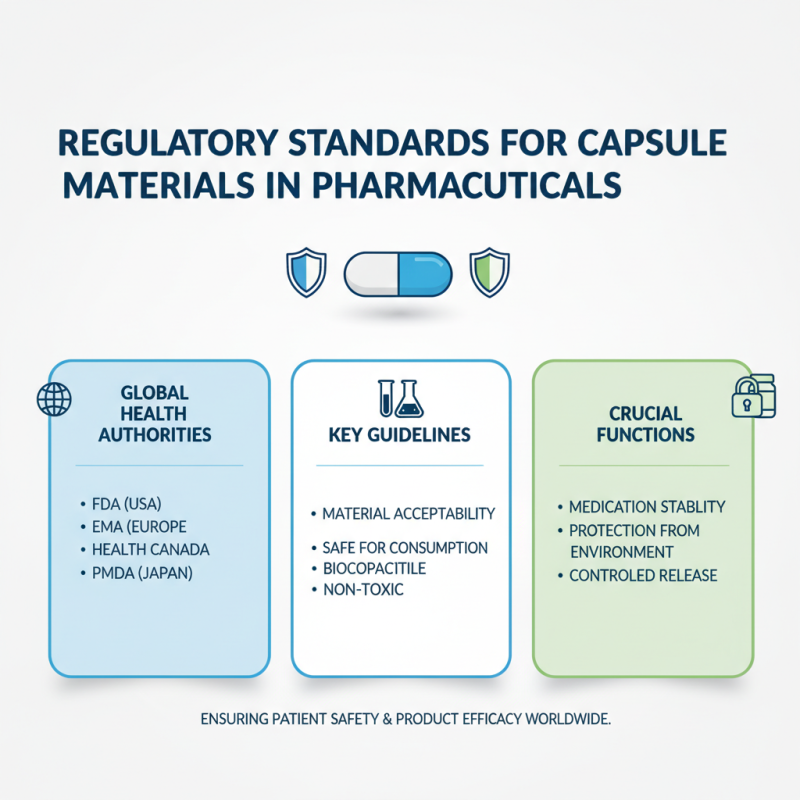
When it comes to capsule materials in pharmaceuticals, regulatory standards play a crucial role. Health authorities worldwide, such as the FDA, set guidelines for acceptable materials. These regulations ensure that capsule components are safe for consumption. They must also maintain the stability of the medication inside.
Gelatin and vegetarian options, like HPMC, are commonly used. Gelatin is derived from animal sources and is popular due to its versatility. However, some patients have dietary restrictions that limit their use. HPMC is plant-based and serves as a good alternative. Regulatory bodies evaluate these materials for safety and efficacy. This evaluation includes tests for dissolution and stability.
Challenges arise when balancing material properties with regulatory requirements. Sometimes, the ideal material does not meet strict standards. Additionally, the sourcing of raw materials can be inconsistent. Manufacturers must stay updated on regulations. Changes can occur based on new scientific evidence. Adapting to these shifts is essential yet complex. Understanding these factors leads to better decision-making in capsule production.
Future Trends in Capsule Materials: Innovations and Sustainability
Future trends in capsule materials are indicating a shift towards sustainability. Traditional capsules are often made from animal-derived gelatin. This raises concerns about ethical sourcing and environmental impact. As awareness grows, alternatives like plant-based materials are gaining traction. These options can reduce ecological footprints significantly.
Innovative materials like HPMC (hydroxypropyl methylcellulose) are now common. They cater to vegan and vegetarian preferences. Although the production of these capsules is often more complex, their benefits are noteworthy. They dissolve more efficiently in the body. However, they can also present challenges in high humidity.
Sustainability isn't just about materials. It involves the entire lifecycle of the product. Companies face the dilemma of balancing cost and environmental responsibility. While some progress is being made, an ideal solution remains elusive. Continuous innovation is essential for creating a healthier future in medicine.