
2026 Best Drug Capsule Material Options for Your Needs?
page_banner

2026 Best Drug Capsule Material Options for Your Needs?

In the growing world of pharmaceuticals, selecting the right Drug Capsule Material is crucial. Various options are available, each with distinct properties. This choice impacts everything, from drug stability to patient compliance.

Understanding your specific needs is essential. For example, do you prioritize bioavailability or ease of swallowing? Different materials cater to these requirements. The right material can enhance the effectiveness of the drug, yet finding it can be challenging.

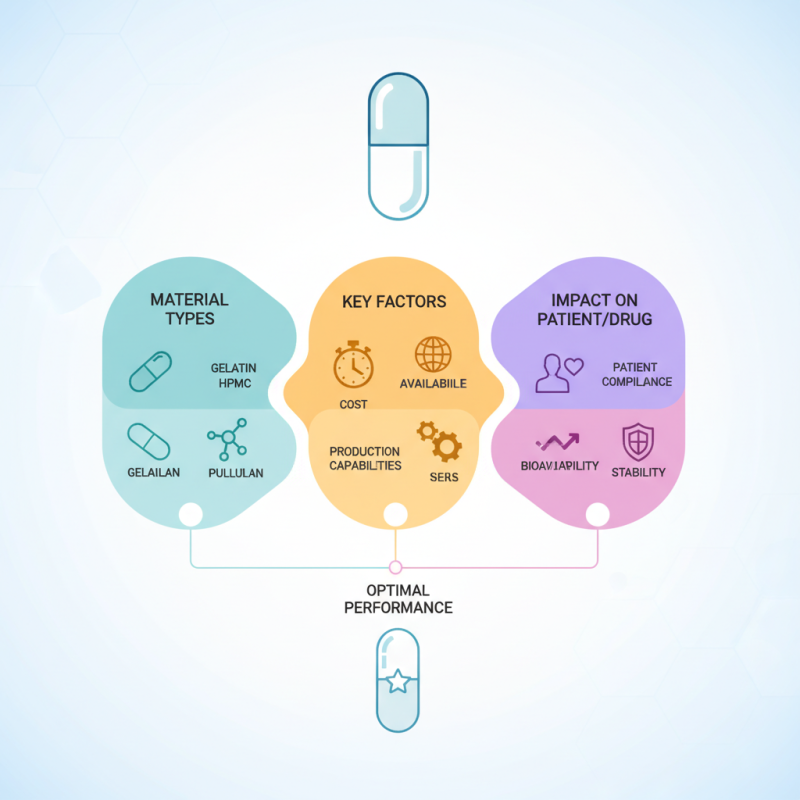
Several factors influence this decision. Cost, availability, and production capabilities should also be considered. Reflecting on these elements leads to better choices. Ultimately, the goal is to ensure optimal performance while considering patient experience. Selecting the right Drug Capsule Material deserves thoughtful consideration.
2026 Best Drug Capsule Material Options for Your Needs?

Overview of Drug Capsule Materials Available in 2026

In 2026, the landscape of drug capsule materials is evolving. Many options are available, catering to diverse needs. One popular choice is gelatin, known for its rapid dissolution and bioavailability. It works well for many medications but isn't suitable for vegetarians or those with dietary restrictions.

Another intriguing option is plant-based capsules. These are made from materials like pullulan or HPMC. They are vegetarian-friendly and provide a great alternative to gelatin. However, their market presence is still emerging. Some may doubt their effectiveness compared to traditional capsules.

Quality plays a significant role in selecting the right material. Some capsules may not handle moisture well, affecting stability. It's essential to consider the drug's nature, dosing, and target audience. Each material has strengths and weaknesses. As options expand in 2026, reflecting on the best fit for specific needs becomes crucial.

2026 Best Drug Capsule Material Options for Your Needs

Material Type Biocompatibility Solubility Stability Typical Applications
Gelatin High Fast Moderate Oral medications
HPMC (Hydroxypropyl Methylcellulose) High Moderate High Vegetarian capsules, extended-release formulations
Pullulan High Fast High Natural products, herbal supplements
Starch Moderate Slow Moderate Nutraceuticals
Pectin High Fast Moderate Health supplements

Key Factors to Consider When Choosing Capsule Materials

Choosing the right capsule material is crucial. Consider the overall stability of the product. Some materials react with sensitive ingredients. This can alter effectiveness significantly.

Different applications require different properties. For example, immediate-release capsules dissolve quickly. They work well for active ingredients that need fast absorption. On the other hand, sustained-release capsules offer prolonged effects. Think about the intended release profile carefully.

The source and sustainability of materials matter too. Many consumers prefer plant-based options. However, sourcing practices can sometimes be unclear. Reflect on what sustainability means to you. Transparency in materials can reinforce trust. Ultimately, do adequate research to select the capsule that best fits your formulation needs.

Popular Types of Capsule Materials and Their Benefits

2026 Best Drug Capsule Material Options for Your Needs?

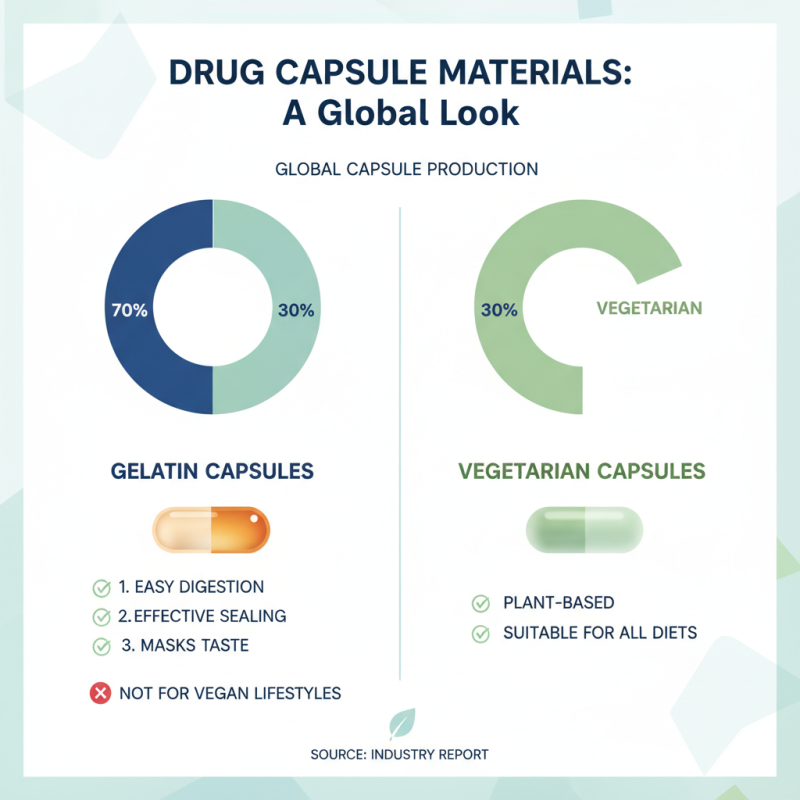
When selecting drug capsule materials, understanding the options is crucial. Gelatin and vegetarian capsules dominate the market. In fact, 70% of capsules produced globally are made from gelatin. Gelatin capsules offer advantages like easy digestion and effective sealing. They are also preferred for their ability to mask unpleasant tastes. However, they may not suit everyone, especially those following a vegan lifestyle.

Vegetarian capsules are becoming increasingly popular. They are made from plant-based materials like pullulan or HPMC. Research shows that the demand for vegetarian capsules has grown by 15% each year. These capsules are an excellent alternative, providing similar benefits to gelatin while catering to dietary restrictions. They also tend to have a higher moisture resistance, which can prolong shelf life. Yet, some concerns arise regarding their manufacturing costs. This can impact pricing strategies in the competitive pharmaceutical market.

Other materials, such as enteric-coated capsules, cater to specific needs. They protect sensitive ingredients from stomach acidity, delivering them directly to the intestine. However, enteric coatings can add complexity to production. Therefore, while exploring options, it's important to weigh the pros and cons. Always consider both functionality and cost when selecting the right capsule material for your product.

Comparative Analysis of Gelatin vs. Plant-Based Capsule Options

When choosing capsule materials, gelatin and plant-based options often come to the forefront. Gelatin capsules are derived from animal collagen. They dissolve quickly in the stomach, making them ideal for certain applications. However, they may not suit those with dietary restrictions.

Plant-based capsules, like those made from hydroxypropyl methylcellulose (HPMC), provide a vegetarian-friendly alternative. They are stable in various environments. These capsules can appeal to a broader audience. Despite their advantages, some people note they dissolve more slowly than gelatin. This can affect the release of active ingredients.

**Tips:** Consider your audience carefully. If you target vegetarians, plant-based options are essential. Also, verify the sourcing of materials. Quality matters. Some may prefer a blend of both types for different products. Be open to flexibility in your choices. Experimentation can offer new insights into performance.

2026 Best Drug Capsule Material Options

Future Trends in Drug Capsule Materials for Enhanced Efficacy

2026 Best Drug Capsule Material Options for Your Needs?

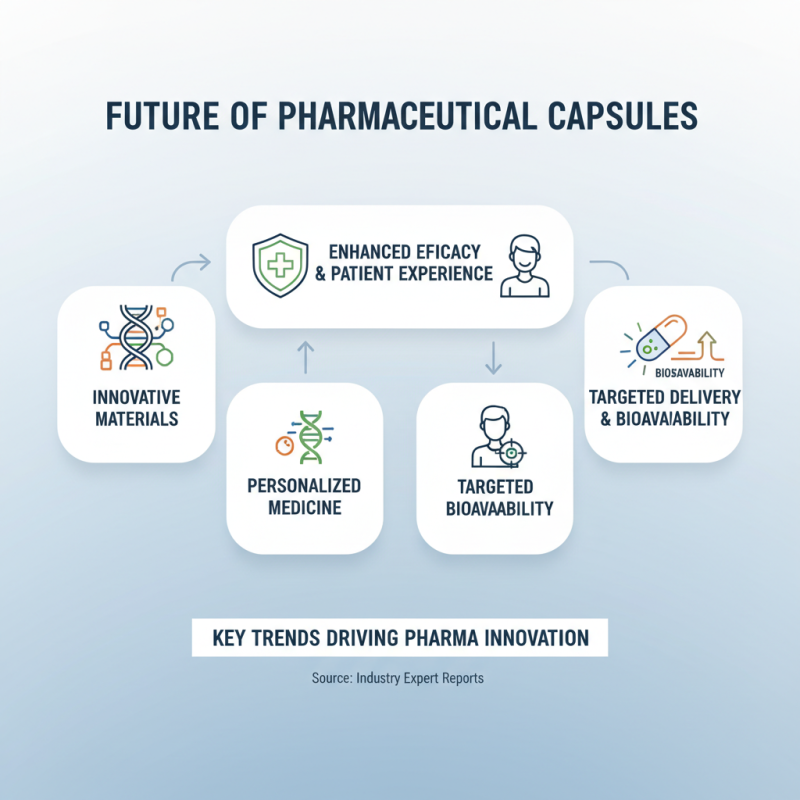
In recent years, the pharmaceutical industry has seen a shift towards innovative drug capsule materials. Future trends focus on enhancing efficacy and patient experience. Reports from industry experts highlight that personalized medicine is becoming vital. The demand for targeted drug delivery systems is rising. Using advanced materials can potentially improve bioavailability.

Some promising materials include gelatin alternatives and HPMC. Research indicates that these options may provide better stability. They can protect sensitive compounds from degradation. This change can result in improved patient outcomes. It is essential to consider patient preferences in these developments, too.

Tip: Choose capsule materials that align with the target demographic's needs. Younger patients may prefer vegetarian options, while others might prioritize rapid release. Balancing safety and effectiveness is crucial for any new formulation. Continuous evaluation of these materials will reveal what truly works. Understanding these trends can drive innovation.